


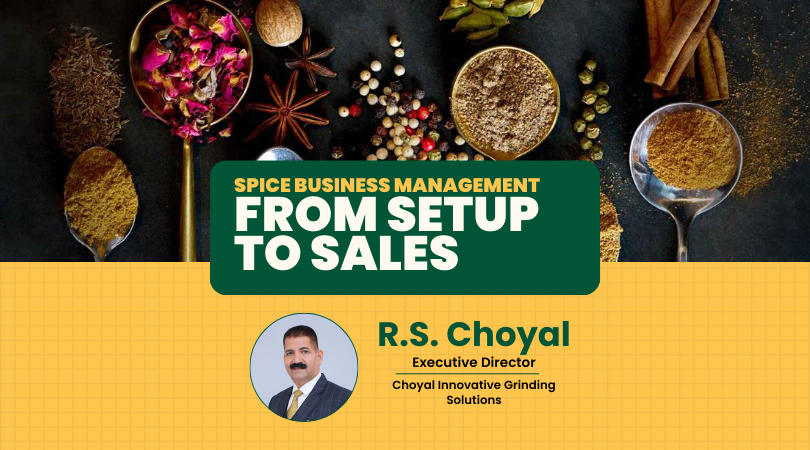
The Spice Business Management: From Setup to Sales course helps learners understand how to start and manage a successful spice business. It focuses on practical knowledge needed to run a spice processing and manufacturing unit with confidence.
First, learners explore different types of spices available in the market. They understand demand trends, quality parameters, and sourcing methods. Next, the course explains how to select raw materials and prepare them for processing.
In addition, the course covers spice processing techniques, machinery setup, and production planning. Learners gain clarity on grinding, blending, and packaging methods used in small and medium spice units. As a result, they can plan efficient day-to-day operations.
Moreover, the course introduces quality control practices and basic compliance requirements. These include hygiene standards, labeling norms, and essential regulatory guidelines. This knowledge helps reduce operational risks and ensures market readiness.
The course also highlights common challenges in the spice industry. These include raw material variation, cost control, and market competition. However, learners discover practical solutions through real-world examples.
Finally, the course focuses on business growth and sales strategies. Learners understand pricing, branding, and market entry approaches. By the end, they gain the confidence to move from setup to sales with a clear roadmap.
Led by an industry expert with hands-on experience, this course bridges the gap between theory and practice. Therefore, it is ideal for aspiring entrepreneurs, small manufacturers, and professionals entering the spice processing sector.
Module 1: Introduction to Spice Business
-
1Lesson 1 : Understanding the Scope of the Spice Industry
Get an overview of why the spice industry is a profitable and high-potential business opportunity today.
-
2Lesson 2 : Introduction to the Spice Business: Opportunities, Challenges & Growth
Explore the profitability, government support, processing methods, and global potential of the spice industry.
Module 2: Kinds of Spice Business
-
3Lesson 1 : Different Segments and Business Models in the Spice Industry
Understand the wide range of business opportunities available within the spice industry beyond just processing.
-
4Lesson 2 : Kinds of Spice Business: From Raw Supply to Value-Added Opportunities
Explore the multiple branches of the spice industry, including storage, processing, medicinal use, animal feed, and retail trade.
Module 3: Types of Processing Plants and Spices
-
5Lesson 1 : Understanding Processing Plant Types and Setup Options
Learn about different types of spice processing plants, investment levels, and suitable setup locations.
-
6Lesson 2 : Types of Spice Processing Plants: Small, Mobile, and Scalable Setups
Discover portable, mobile, and small-scale spice processing plants, their costs, technology, and ideal locations.
Module 4: Processing of Spices
-
7Lesson 1 : Steps Involved in Spice Processing
Learn the complete step-by-step workflow involved in converting raw spices into market-ready products.
-
8Lesson 2 : Spice Processing Workflow: Cleaning, Blending, Grinding, and Quality Control
Understand real-world spice processing methods, machinery usage, blending techniques, and quality assurance practices.
Module 5: Grinding, Packaging, and Storage
-
9Lesson 1 : Post-Processing Operations in the Spice Business
Understand how grinding, packaging, and storage decisions impact spice quality, cost, and scalability.
-
10Lesson 2 : Grinding, Packaging, and Storage of Spices: Machines, Costs, and Best Practices
Explore spice grinding machines, packaging solutions, storage planning, and smart investment strategies for growth.
Module 6: Types of Spice Processing Plants
-
11Lesson 1 : Choosing the Right Spice Processing Plant and Product Strategy
Learn how different plant types, scale, and product choices shape profitability in the spice business.
-
12Lesson 2 : Types of Spice Processing Plants: Micro Units, Blending Plants, and Scalable Models
Explore flexible spice plant models, blended product opportunities, and regional advantages for scaling your business.
Module 7: Purchasing Raw Material
-
13Lesson 1 : Raw Material Sourcing for Spice Processing
Understand the different ways to source raw spices and how sourcing choices impact quality, cost, and scalability.
-
14Lesson 2 : Purchasing Raw Material: Traditional, Online, and Modern Sourcing Models
Explore different raw material sourcing channels, online procurement models, and quality control practices for spice businesses.
Module 8: Marketing and Sales of Spices
-
15Lesson 1 : Basics of Marketing and Selling Spices
Learn how to plan, price, and sell spice products effectively using local, digital, and large-scale marketing channels.
-
16Lesson 2 : Marketing and Sale of Spices: Surveys, Channels, Pricing, and Digital Growth
Understand practical spice marketing strategies, from local store sales to e-commerce, branding, and digital promotion.
Module 9: Licensing in Spice Business
-
17Lesson 1 : Legal and Compliance Requirements for Spice Businesses
Understand the essential licenses, registrations, and certifications required to legally run a spice business.
-
18Lesson 2 : Licensing in Spice Business: Registrations, Certifications, and Brand Protection
Learn about FSSAI, GST, Spices Board, IEC, and trademark requirements for legally running and exporting spices.
Module 10: Conclusion and Business Roadmap
-
19Lesson 1 : Final Takeaways and Next Steps
Understand how to move forward in the spice business using technology, government support, and informed decision-making.
-
20Lesson 2 : Conclusion: Business Roadmap, Technology, and Growth Opportunities
Explore future opportunities, government support, technology integration, and the mindset needed for long-term success in the spice industry.
 Lessons: